Amna Nawaz:
Nigeria Africa's largest democracy has a newly elected president.
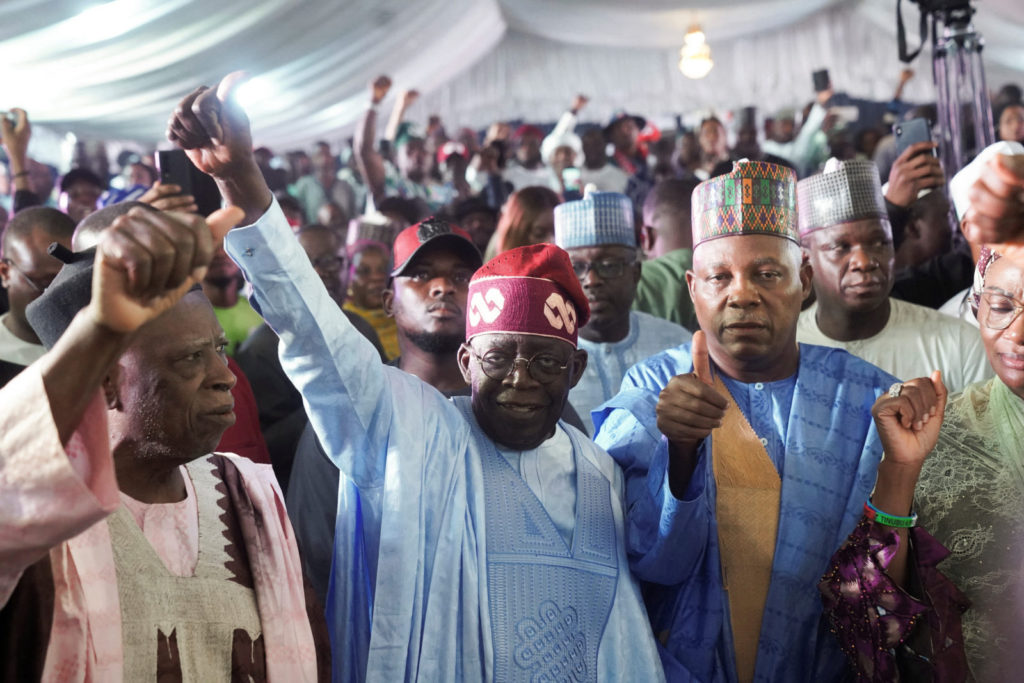
Bola Tinubu, a longtime Nigeria kingmaker, has been declared the winner today with over 36 percent of the vote. The fiercely contested election wasn't without controversy, though. Long lines and delays have led the opposition to allege fraud, and there have been sporadic protests and some violence since the election.
Ebenezer Obadare is a Nigerian American academic and a senior fellow at the Council on Foreign Relations. He joins me now.
Ebenezer, welcome to the "NewsHour." Thanks for joining us.
Before we get into the candidates and the results, help us understand how significant this election was, especially given Nigeria's history of military rule. Is it fair to call this election a turning point?
Ebenezer Obadare, Council on Foreign Relations: It's fair to say that because, for the first time since Nigeria returned to democracy in 1999, this was the first election in which there was no former army general on the ballot.
All the candidates were proper civilians, if you know what I'm talking about. It was also an election which, for the first time, a bulk of young people sought to overthrow the old, the established order in the country. They did not succeed, but the energy they brought to the election, the new sense of urgency was something to behold, and I think in the long run bodes well for the democratic process in Nigeria.
ncG1vNJzZmivp6x7sa7SZ6arn1%2Bjsri%2Fx6isq2ejnby4e9Guo6Kml2K9or7TsmScmZ6ZtqWt055ksKGeqHqvtcaeqaKZo2K9s7HSopueppOueqKy056pZpyZqL22wMSdZK%2BnpJo%3D